Gujar Hindu Matrimony Profiles
Showing 44+ verified profiles · Hindu · Gujar
Find Gujar Hindu Matrimony Profiles through 44+ verified profiles on Corishta. The listing is designed to make shortlisting easier for families looking for compatible and genuine matrimony matches.
🔒 View More Profiles
Register free to see full profiles, contact details, and photos.
- or -
Gujar Matrimony Delhi – Agrarian Roots, Urban Resilience
The Farmers Who Built a City's Edge

In the villages that were swallowed by Delhi's expanding geography in Mehrauli, in Gurgaon's hinterland, in the western fringes of the capital district the Gujar community built its life long before the city arrived. The Gujars are one of North India's oldest agrarian-pastoral communities, with a historical presence spanning Rajasthan, Uttar Pradesh, Haryana, Himachal Pradesh, and Jammu & Kashmir, and a Delhi-NCR presence that predates the modern city by generations.
The Gujar community's identity is shaped by its historical relationship with land cattle herding, agriculture, and the management of village common resources. In the villages of Delhi's peri-urban zone, Gujar families were the landowners, the cattle herders, the men and women who knew every inch of the terrain that urban development has now transformed into residential colonies and shopping malls. This land displacement narrative the Gujar family whose grandfather farmed fields that are now apartment towers is a central motif in Delhi Gujar community memory, and it carries both loss and opportunity.
Gujar Matrimonial Culture in Delhi
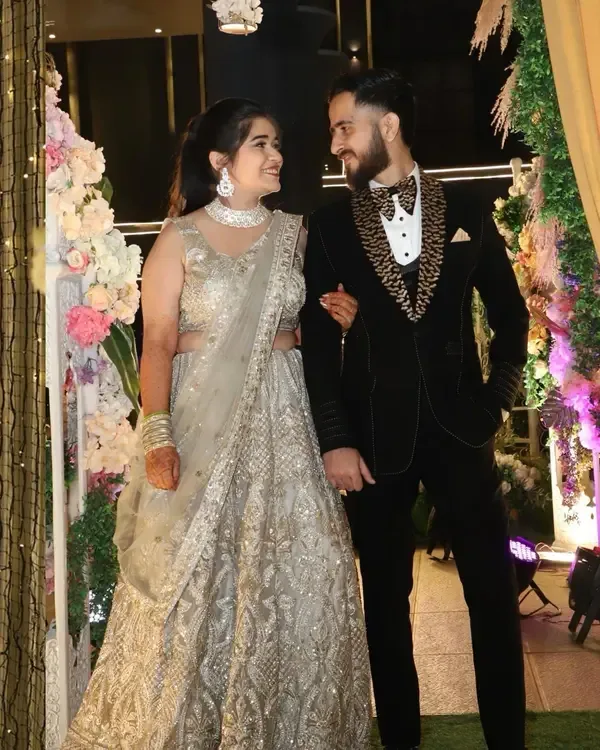
Gujar matrimonial culture in Delhi operates through the community's gotra and khap (council of elders) networks, which remain active social institutions even in an urban environment. The Gujar community maintains strong khap structures that govern social norms, resolve disputes, and historically managed matrimonial regulation. Within the Delhi-NCR Gujar community, khap councils continue to be consulted in matrimonial decisions, particularly by traditional families.
Wedding ceremonies in the Gujar community involve substantial community participation they are not small family affairs but large community events that reflect the Gujar values of generosity, social solidarity, and the display of family honor. The baraat (wedding procession) in a Gujar wedding is a large, energetic affair, typically featuring brass band music and the community's characteristic collective enthusiasm.
Identity Negotiation in the Urban Transition
The Delhi Gujar community is at a fascinating transitional moment in its social history. The land compensation payments that many Gujar families received when their agricultural lands were acquired for Delhi's expansion have created new economic realities some families became landlords of commercial property, others invested in education, and still others struggle with the dislocation of moving from a land-based to a cash economy without the skills or structures to manage it well.
This economic diversity is reflected in the matrimonial landscape. Some Gujar families in Delhi's peri-urban areas are now wealthy by urban standards, owning commercial property and running businesses. Others are navigating the social mobility pathways of education and government employment. Both groups bring their community pride and cultural values to the matrimonial search, but their practical expectations differ significantly.
Agricultural Roots as Emotional Anchor

Even Delhi-born Gujars who have never farmed a field carry their agricultural heritage as a source of identity pride. The community's patron deity, Dev Narayan (also venerated as Devji), is associated with pastoral heroism and community protection. Dev Narayan Jayanti is celebrated with community gatherings across Delhi's Gujar population a day when the community's shared identity asserts itself across the economic and geographic diversity that urban life has created.
Marriage ceremonies include worship of the family's clan deity and the traditions specific to the Gujar gotra. The community's strong sense of collective identity means that weddings are evaluated partly as community events how well the family hosts, how generously they feed their guests, how respectfully they conduct the rituals, all of these reflect on the family's standing in the community eye.
What Delhi Gujar Families Seek
- Gujar community background gotra and khap compatibility
- Land or property ownership valued for financial security
- Government employment increasingly prestigious
- Education first-generation graduates are now highly valued
- Dev Narayan tradition and community festival participation
- Family honor and community respect in the local khap network
- Strong family loyalty and joint family compatibility
From the Village to the City, Still Standing
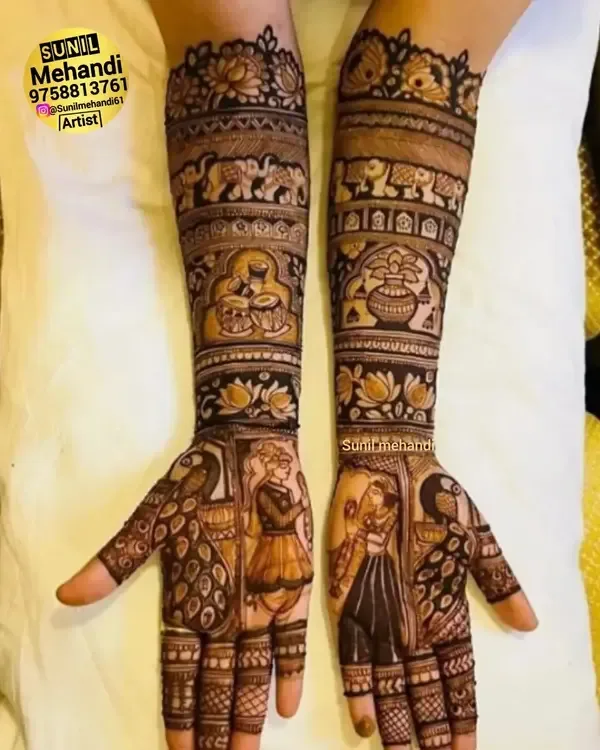
The Delhi Gujar community has survived the transformation of their world with a characteristic stubbornness and pride. A community that once fed the city now navigates it on different terms but the values that made them the backbone of peri-urban life remain intact: loyalty, generosity, courage, and an unshakeable sense of who they are. This platform brings Gujar families together in a space that honors that history and supports the search for alliances worthy of it.
Delhi - Location Map
Explore the area and discover matrimony profiles near Delhi.
Gujar Matrimony FAQs
What is the role of the khap panchayat in Gujar matrimonial decisions?
The khap panchayat is a council of clan elders that historically governed social norms, including matrimonial regulations, in Gujar and other North Indian agrarian communities. In Delhi, khap councils remain consulted in matrimonial decisions by traditional families, particularly for verifying gotra compatibility and community norm compliance.
How has the urban land acquisition of Gujar villages affected the community's matrimonial culture?
Land acquisition created significant economic diversification in Delhi's Gujar community — some families became commercially wealthy while others faced dislocation challenges. This economic diversity is reflected in matrimonial searches, with families' practical expectations varying considerably based on their economic trajectory.
Who is Dev Narayan and why is he important to the Gujar community?
Dev Narayan (Devji) is the community's patron deity, venerated as a pastoral hero and community protector. Dev Narayan Jayanti is the community's most important annual festival, celebrated with large gatherings across Delhi's Gujar population. Respect for this tradition is a marker of genuine community identity in matrimonial assessments.
What gotra restrictions apply in Gujar matrimony?
Gujar marriages follow clan exogamy rules, with marriage within the same gotra prohibited. In some families, the mother's gotra restriction also applies. The khap network maintains these traditions, and gotra verification is standard practice before matrimonial introductions are formalized.
Are Gujar families in Delhi open to matches from rural areas of Rajasthan, Haryana, or UP?
Many Delhi Gujar families maintain strong connections to the rural Gujar heartland in Rajasthan, Haryana, and western UP. Cross-regional matches within the community are common, particularly as urban families seek to maintain cultural roots through alliances with families that still live closer to the traditional community lifestyle.
Explore Gujar Matrimony Reach Across Gujarat and Maharashtra
With 44 profiles spread across major states, this map-style listing helps identify where Gujar matchmaking opportunities are most practical.
Find Gujar Hindu Matches
Gujar Matches Across Top Cities
Discover where Gujar brides and grooms are most active so your matchmaking search stays focused and practical.
City pages are refreshed with active profile availability for reliable matchmaking discovery.