Gotra: More Than Just a Family Name
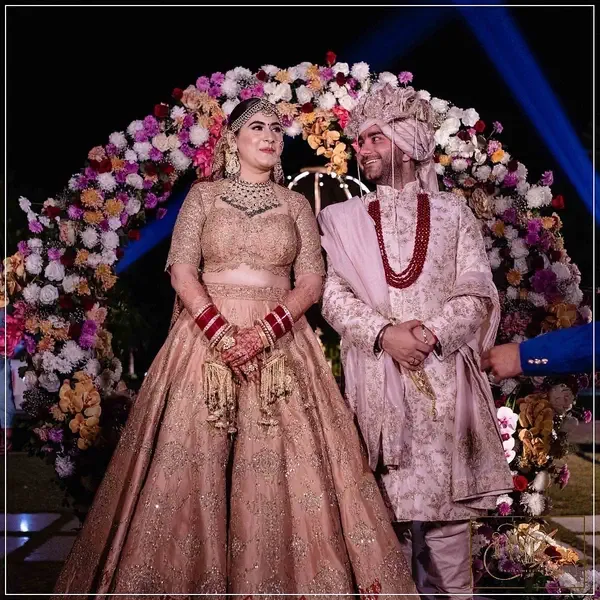
If you have ever been part of a Hindu wedding preparation, you have almost certainly heard the word gotra come up. The pandit asks for it during rituals. Matrimonial profiles list it. Elders ask about it before agreeing to a match. But what exactly is it, and why does it matter so much?
A gotra is essentially a patrilineal clan lineage. It traces your ancestry back to a specific Vedic sage, called a rishi, from whom your family is believed to have descended in the male line. Common gotras include Kashyapa, Bharadwaja, Vasishtha, Atri, and Vishwamitra, among many others.
The Spiritual Significance of Gotra
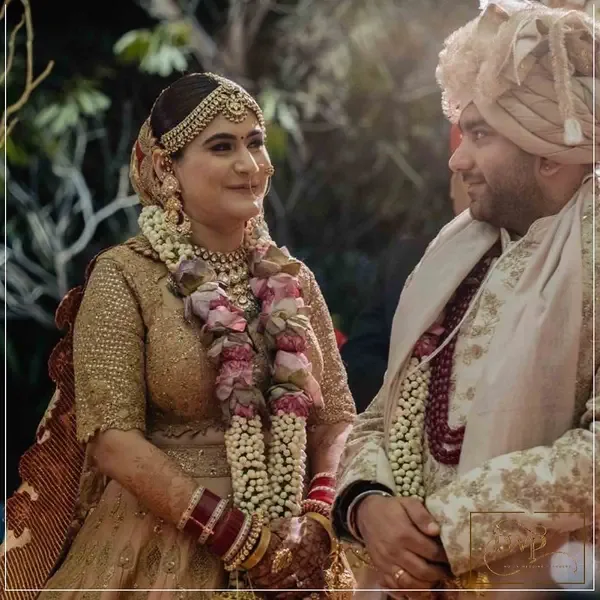
In Hindu tradition, the members of the same gotra are considered spiritual siblings. They share the same ancestral lineage and are believed to carry the same cosmic energy or pravritti passed down from their rishi ancestor. This is not merely symbolic. In many Hindu rituals, the gotra is invoked to identify who you are in relation to the divine and your lineage.
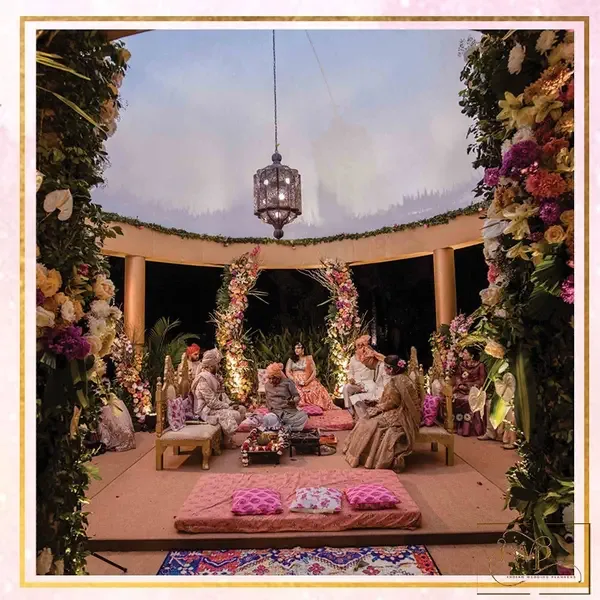
During the wedding ceremony itself, gotra plays a central role. The bride and groom's gotras are announced during the Vivah Puja, establishing the spiritual genealogy of both families before the sacred fire. It is a moment of profound significance, a declaration of who you come from.
Gotra in Matchmaking
In traditional Hindu matrimony, the gotra serves as an important compatibility check before a match is finalized. Two people from the same gotra are considered to be in the same ancestral family, which is why same-gotra marriages are traditionally avoided.
The reasoning goes beyond ritual. It also has a practical, genetic wisdom behind it. Marrying within the same extended lineage increases the likelihood of certain inherited traits being passed on. Ancient Hindu law-givers, long before modern genetics, seem to have intuitively understood the benefits of genetic diversity in marriage.
How Gotra Is Used Today
In practice, gotra compatibility is one of several checks performed during the matchmaking process, alongside Kundali matching, family background, and personal compatibility assessments. Many astrologers and pandits will ask for the gotra of both families to confirm that they are different.
In contemporary urban settings, some families take a more flexible approach, particularly in communities where gotra records have been lost or where multiple gotras have merged over generations. Others remain very particular about it, especially in communities with strong Brahminical or Vedic traditions.
What Gotra Cannot Tell You
As important as gotra is in its proper context, it cannot tell you whether two people will communicate well, whether they share life goals, or whether they will be kind to each other on an ordinary Tuesday. Gotra is a beautiful thread in the tapestry of Hindu matrimony. But it is only one thread.
The wisest families use gotra as a starting filter, not a final verdict. It is a door that helps you begin the conversation, not a wall that ends it.