No Two Families Are the Same — And That Is Exactly the Challenge
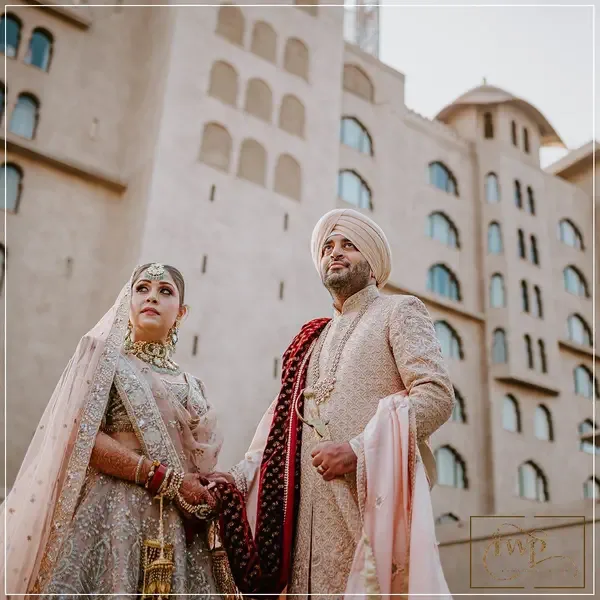
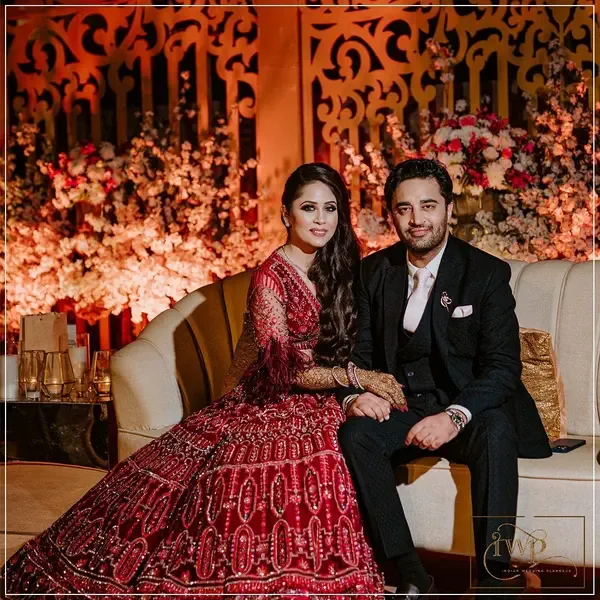
It is easy to imagine that when two good, well-meaning families come together for a wedding, everything will flow naturally. In reality, even two wonderful families can create friction when they meet, because they carry different rhythms, different assumptions, and different ideas about how things should be done.
The key insight is this: family differences are rarely about bad faith. They are almost always about different maps. Different ways of organizing life, expressing care, and defining respect. Recognizing this changes the entire approach from confrontation to navigation.
Start With the Couple
When families have differences, the couple is the hinge point. If the couple is aligned on their own values and priorities, family differences become manageable. If the couple is divided, each siding with their own family, the differences become the battlefield of the marriage itself.
This is why one of the most important pre-marriage conversations a couple can have is: when our families disagree, what do we do? Having a clear, shared answer to that question before the wedding is one of the most protective things a couple can do for their marriage.
Common Areas of Family Difference
Differences tend to surface most predictably around wedding rituals, who bears what costs, post-marriage living arrangements, festival observances, the frequency of family visits, expectations around grandchildren, and major financial decisions. Being proactive about discussing these before they become disputes is always better than reacting to them under pressure.
How to Navigate Disagreements Between Families
When disagreements arise, the first step is to lower the emotional temperature before engaging with the substance. Family pride and family face are real dynamics in Indian culture. A family that feels disrespected will dig in. A family that feels honored and heard, even in disagreement, is far more likely to find flexibility.
Speak to families separately when tensions are high. Allow each family to feel heard before introducing compromise. And where possible, let the solution be presented as something both families arrived at together rather than as a victory for one side.
When Differences Are Deeper Than Style
Sometimes family differences are not about style but about fundamental values. A family that expects the daughter-in-law to leave her career versus one where this is unimaginable. A family with deeply conservative religious expectations versus one that is more relaxed. These are not style differences. They are value differences, and they require honest, direct engagement before the wedding rather than hopeful avoidance.
Couples who discover these deeper differences after marriage often feel blindsided. Couples who surface them before marriage can make informed, eyes-open decisions about how they want to proceed and what they are genuinely willing to navigate.
No family combination is perfect. But every combination can be workable when there is enough respect, flexibility, and commitment to the couple's wellbeing on all sides.