Mumbai Suburban Hindu in Mumbai Suburban Matrimony Profiles
Showing 8+ verified profiles · Hindu · Mumbai Suburban · Mumbai Suburban
Explore Mumbai Suburban Hindu in Mumbai Suburban Matrimony Profiles in Mumbai Suburban with 8+ verified profiles on Corishta. From community filters to profile details, this page is built for serious matchmaking conversations.
🔒 View More Profiles
Register free to see full profiles, contact details, and photos.
- or -
Hindu Matrimony in Mumbai Suburban – The City That Never Stops Searching
The Suburbs That Built Modern Mumbai
Mumbai Suburban district stretching from Bandra in the south to Dahisar in the north is where the city's working heart beats loudest. This is not the Mumbai of Gateway of India photos or Nariman Point glass towers. This is the Mumbai of local trains packed at 8 AM, of Ganpati processions that shut down streets, of chawls standing next to glass-and-steel towers, and of families who have lived in the same Andheri building for three generations even as the neighbourhood transformed beyond recognition around them.
For Hindu families in Mumbai Suburban, this layered reality traditional roots in a hypermodern setting shapes everything, including how they find a life partner. The search for a match here is conducted with an urban pragmatism that acknowledges ambition, values time efficiency, and still insists on family approval and cultural compatibility.
The Diversity of Mumbai Suburban's Hindu Community
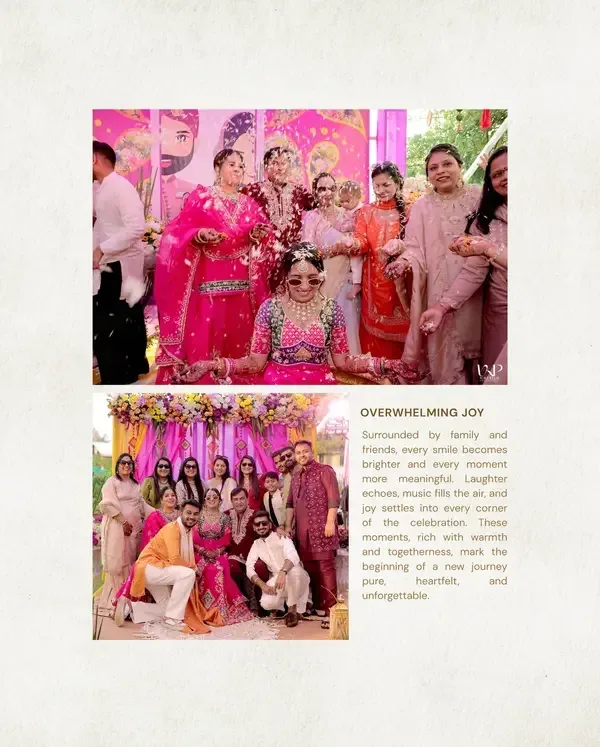
Mumbai Suburban is one of the most demographically complex areas in India. The Hindu community here includes Maharashtrian Brahmin families in Dadar and Vile Parle, Gujarati and Marwari communities in Kandivali and Borivali, South Indian Hindu families in Matunga and Chembur, Uttar Pradesh and Bihar migrants in Kurla and Ghatkopar, and Koli fishing community families along the coastal belt.
Each sub-community maintains its own matrimonial circuit within the larger geography. A Gujarati family in Borivali is looking for a match within their community's network either locally or in Ahmedabad or Surat. A Maharashtrian Brahmin family in Vile Parle is consulting the Brahmin Mandal's matrimonial register as well as online platforms. The city's sheer scale makes community networks both more necessary and more difficult to maintain.
Marriage Traditions Across Mumbai Suburban's Communities

The diversity of communities means that wedding traditions in Mumbai Suburban are not monolithic. A Maharashtrian wedding in Dadar follows antarpat and mangalashtak rituals. A Gujarati wedding in Kandivali has garba, pheras, and a lavish reception with dhol and shehnai. A South Indian wedding in Matunga features the exchange of garlands in a beautifully decorated hall with carnation and jasmine, accompanied by Carnatic music.
- Maharashtrian tradition: Antarpat, saptapadi, mangalashtak, griha-pravesh
- Gujarati tradition: Garba, mehendi, vara puja, saat phere, reception
- South Indian tradition: Muhurtam, talambralu, saptapadi, reception with classical elements
- Common feature across communities: Large reception events that reflect Mumbai's love of a good party
What Mumbai Suburban Hindu Families Want in a Match
Career and education are the absolute starting point in Mumbai Suburban matrimony. This is a city that rewards ambition, and families here understand that economic stability in Mumbai requires real professional standing. A partner with a good job in a stable sector, ideally within commutable distance of key employment zones (BKC, Andheri-Kurla corridor, Navi Mumbai), is the baseline.
Beyond economics, Mumbai families increasingly prioritise personality compatibility. The city's culture of independence means young people have had more unsupervised social time than their counterparts in smaller cities they have developed opinions, preferences, and a sense of self that they expect a partner to respect. Families that insist on complete conservatism in match-making often find their children have their own well-formed views on the matter.
The Social Geography of Matrimonial Search

Ganesh Chaturthi is not just a festival in Mumbai Suburban it is the city's great social equaliser. Mandals in Andheri, Malad, Borivali, and Ghatkopar bring communities together in ten days of shared celebration. Community kitchens, cultural performances, and the collective experience of immersion day create social connections that often translate into matrimonial introductions. Similarly, the local train journey itself predictably, unpredictably has introduced many Mumbai residents who would otherwise never have met.
Online matrimony platforms are used here with more sophistication than perhaps anywhere else in India. Profile filters go deep candidate reviews profiles with a professional eye, shortlisting by geography, career type, community, and lifestyle values before ever making contact. The city's pace demands efficiency even in matters of the heart.
Mumbai Suburban - Location Map
Explore the area and discover matrimony profiles near Mumbai Suburban.
Mumbai Suburban Matrimony FAQs
Which Hindu communities are most prominent in Mumbai Suburban matrimony?
Mumbai Suburban has a highly diverse Hindu population including Maharashtrian Brahmin and Maratha families, Gujarati and Marwari communities, South Indian Hindu families, and UP-Bihar migrant communities. Each maintains its own matrimonial network while operating within the broader city ecosystem.
How does Mumbai's pace affect the matrimonial search process?
Mumbai families tend to approach matrimony efficiently — profiles are reviewed carefully and quickly, meetings are scheduled with clear agendas, and decisions are made in reasonable timeframes. The city's culture of independence also means that young people have significant input in the selection process.
What professions are most valued in Mumbai Suburban Hindu matrimony?
Finance, technology, medicine, law, and senior corporate roles are highly valued in urban Mumbai Suburban families. Stability and earning capacity in a high-cost city like Mumbai are essential. Remote-work-friendly careers that allow residential flexibility are increasingly valued.
Are inter-community Hindu marriages more accepted in Mumbai Suburban?
Mumbai's cosmopolitan environment has made inter-community Hindu marriages more accepted than in most other cities. While families still largely prefer within-community matches, cross-community Hindu alliances — particularly among educated urban families — are common and increasing.
How do Mumbai Suburban families use matrimonial platforms?
Mumbai families are among the most active and sophisticated users of matrimonial platforms in India. Profiles are detailed, searches are filter-heavy, and communication is often initiated directly by the candidate. Family review of shortlisted profiles remains the norm before any formal meeting.