Alwar Hindu in Alwar Matrimony Profiles
Showing 8+ verified profiles · Hindu · Alwar · Alwar
Explore Alwar Hindu in Alwar Matrimony Profiles in Alwar with 8+ verified profiles on Corishta. From community filters to profile details, this page is built for serious matchmaking conversations.
🔒 View More Profiles
Register free to see full profiles, contact details, and photos.
- or -
Hindu Matrimony in Alwar – The Tiger's Land, The Family's Pride
Between Aravalli and Ambition
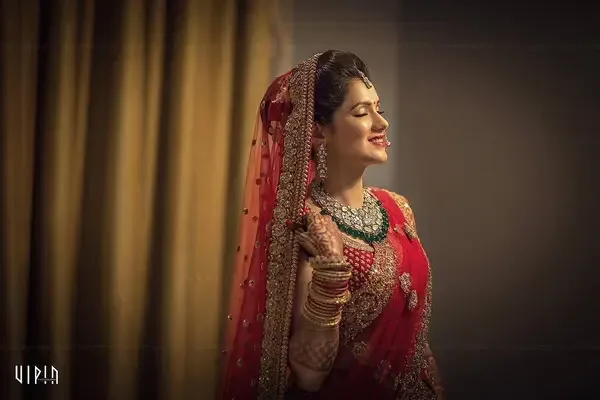
Alwar sits at the edge of the Aravalli hills, in eastern Rajasthan where the desert begins its negotiation with the fertile plains of Haryana. The Sariska Tiger Reserve watches over the district, and the Bala Quila fort watches over the city from its rocky perch. This landscape ancient, dramatic, and uncompromising has shaped a people who are proud without being arrogant, traditional without being inflexible, and ambitious without losing their connection to the land.
For Hindu families in Alwar, matrimony is conducted within the framework of Rajasthani tradition with all its formality, its attention to lineage, and its celebration of family as the primary social unit. Alwar is not as famous as Jaipur or Udaipur, but it is genuinely Rajasthani in its cultural soul, and that identity shapes every aspect of how families think about marriage.
The Social World of Alwar's Hindu Community
Alwar's Hindu population includes significant Rajput and Mewati communities, Brahmin families connected to the city's temples and educational institutions, Baniya and Agarwal trading communities, and Jat agricultural families from the surrounding rural areas. The Mewat region's particular cultural character where Rajasthani and Haryanvi influences overlap gives the district's Hindu community a distinctive edge.
The city is also home to a growing industrial population Alwar has become a significant industrial hub in Rajasthan, with factories producing everything from industrial equipment to consumer goods. This industrial growth has brought a new professional class to the city, creating a matrimonial landscape that now includes both traditional agricultural and trading families and the new professional and managerial class.
Marriage Traditions in Alwar's Hindu Families
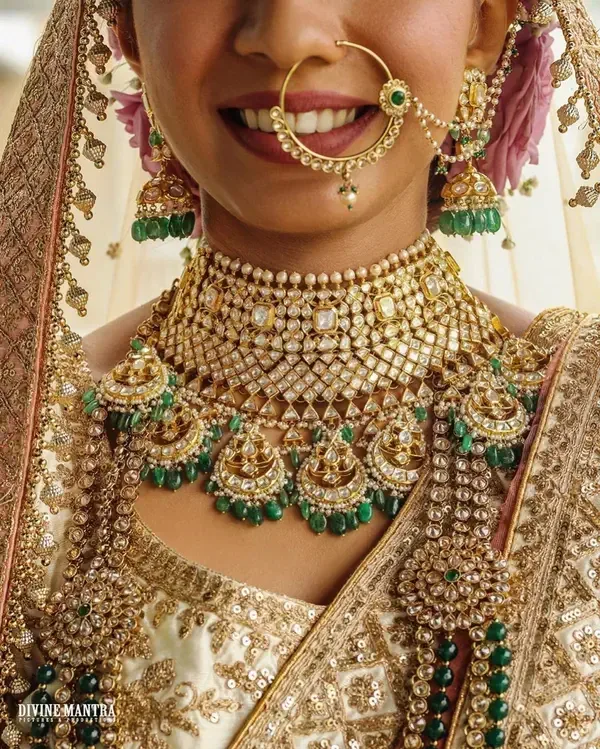
Rajasthani wedding traditions in Alwar are full-spectrum events. The groom's baraat through the city is a statement of family celebration. The bride's family hosts with characteristic Rajasthani generosity. The ceremonies are conducted with local Rajasthani inflection the ghevar sweets at engagement, the ghoomar dance, the distinctive Rajasthani wedding attire in red and gold all combine to make an Alwar wedding an experience of cultural richness.
- Sagai: The formal engagement ceremony, typically at the bride's home
- Pithi (haldi): Applied separately in each household with family songs
- Ghoomar dance: Traditional Rajasthani circle dance performed at the sangeet by the women of the family
- Baraat: Procession with band and community celebration
- Pheras: Vedic ceremony with Rajasthani-tradition pandit
What Alwar Families Want in a Match
Rajput families in Alwar follow the kul and gotra exclusion rules with seriousness the lineage system here is well-maintained. A match from a known Rajput family, preferably from Alwar, Bharatpur, or Jaipur districts, is the preference. Government service particularly in the Rajasthan police, civil services, or army carries enormous prestige. Industrial employment in the Alwar belt is increasingly respected.
For Bania and Agarwal families, the commercial network is the matrimonial network. A match whose family is established in trade whether in the Alwar market, in Delhi NCR, or elsewhere in Rajasthan is the baseline preference. Education is valued but matched against business acumen and family commercial standing.
Alwar to Delhi: The Connection That Shapes Matrimony
Alwar's proximity to Delhi (about 160 km) means the city exists in a complex relationship with the capital. Many Alwar families have members in Delhi working, studying, or already settled. This creates a matrimonial geography that extends naturally into the NCR. Matches from Delhi's Rajasthani communities, from Gurgaon, or from other NCR areas are commonly sought by Alwar families, particularly for their children working in the capital.
Alwar - Location Map
Explore the area and discover matrimony profiles near Alwar.
Alwar Matrimony FAQs
What Hindu communities are most prominent in Alwar matrimony?
Rajput families are the most prominent community in Alwar's matrimonial landscape, followed by Brahmin, Agarwal, Bania, and Jat communities. Alwar's growing industrial sector has also created a new professional class whose matrimonial expectations are evolving beyond traditional community lines.
How are Rajput lineage and kul observed in Alwar matrimony?
Alwar's Rajput families maintain careful records of kul (clan) identity. Same kul marriages are excluded, and related clans are also typically avoided. Families often verify lineage through community genealogists or known family connections before proceeding with any matrimonial discussion.
What role does proximity to Delhi play in Alwar matrimony?
Alwar's 160 km distance from Delhi creates a natural matrimonial bridge. Many Alwar families have children working or studying in Delhi NCR, and matches from Delhi's Rajasthani communities, Gurgaon, or Faridabad are commonly sought. Cross-NCR matches are accepted and often preferred for practical proximity reasons.
What professions carry the most prestige in Alwar matrimonial searches?
Army and Rajasthan police service carry the highest prestige in Rajput families. Government civil service positions are also highly valued. Industrial employment in Alwar's growing manufacturing sector is increasingly respected, as is corporate employment in Delhi NCR.
Are Alwar families open to inter-district Rajasthan matches?
Yes. Matches from Bharatpur, Dausa, Jaipur, and Ajmer are commonly sought. Community compatibility — particularly for Rajput families — is prioritised over strict geographic proximity. A match from another Rajasthan district with the right kul and family background is widely acceptable.